
NRRRF BIOENERGY RECOVERY
Electrical and instrumentation installation of bioenergy recovery systems
LOCATION
Raleigh, NC
VALUE
$22,000,000
PROJECT DETAILS
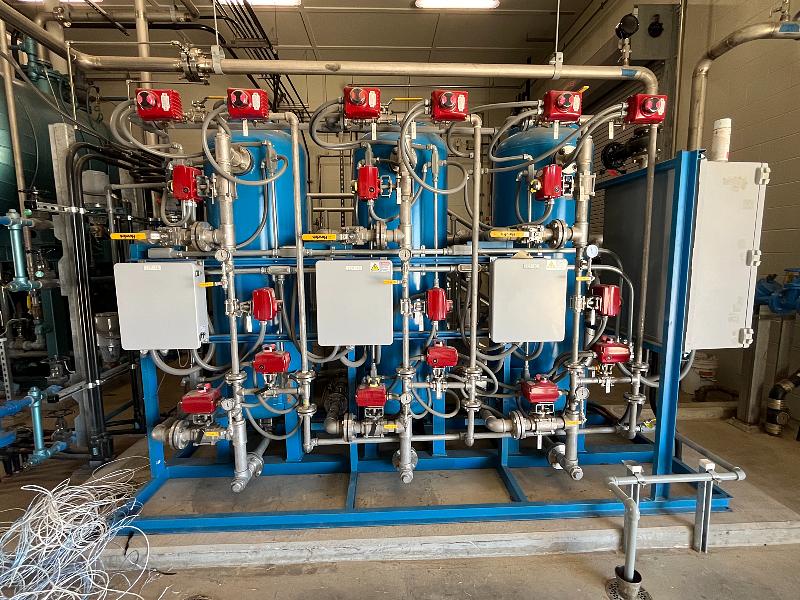
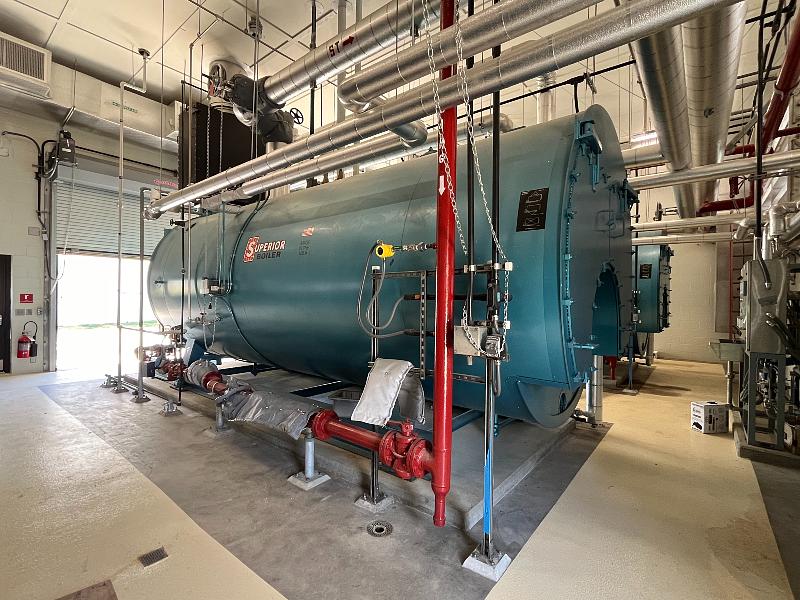
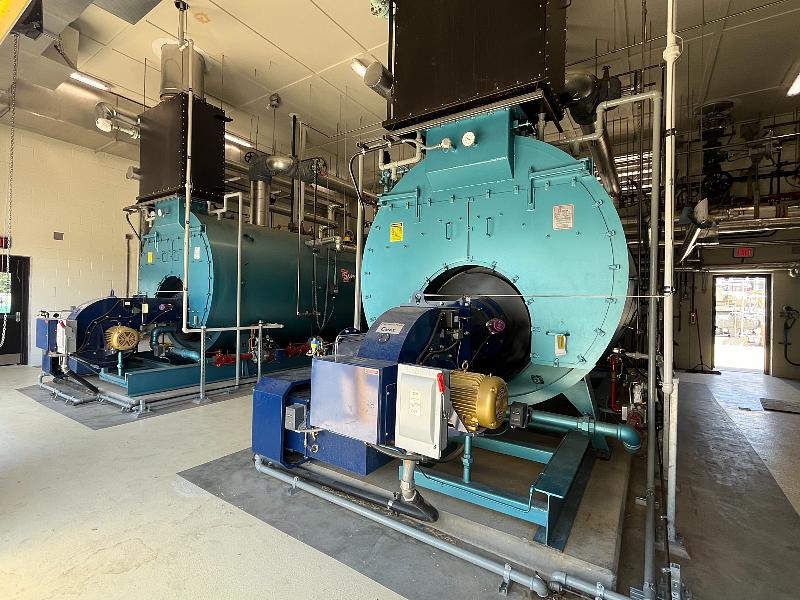
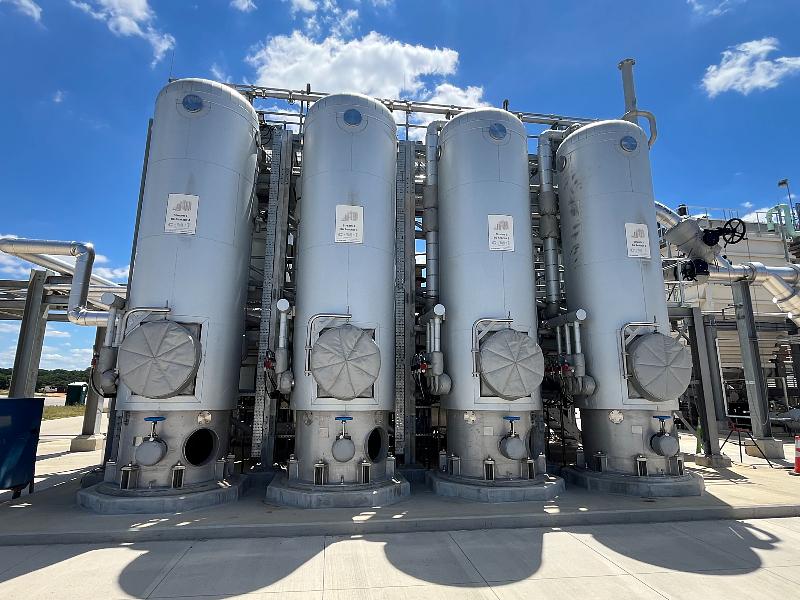
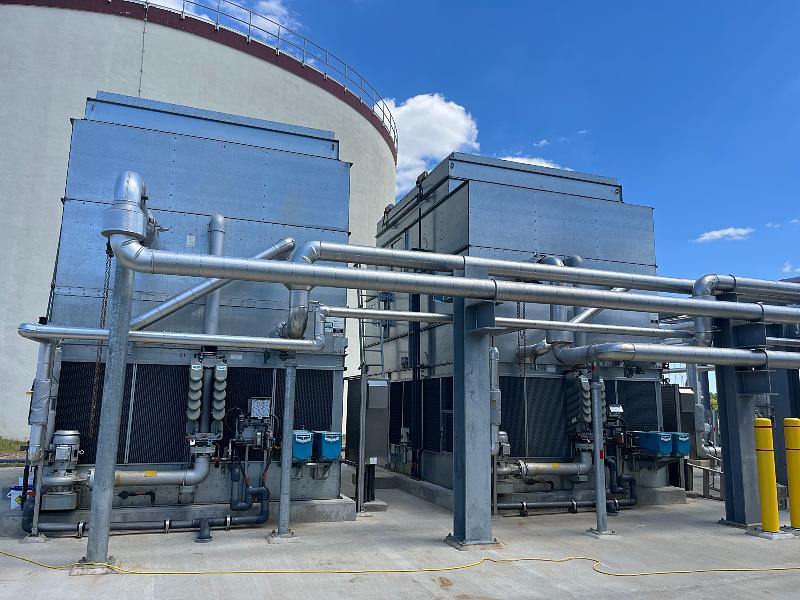
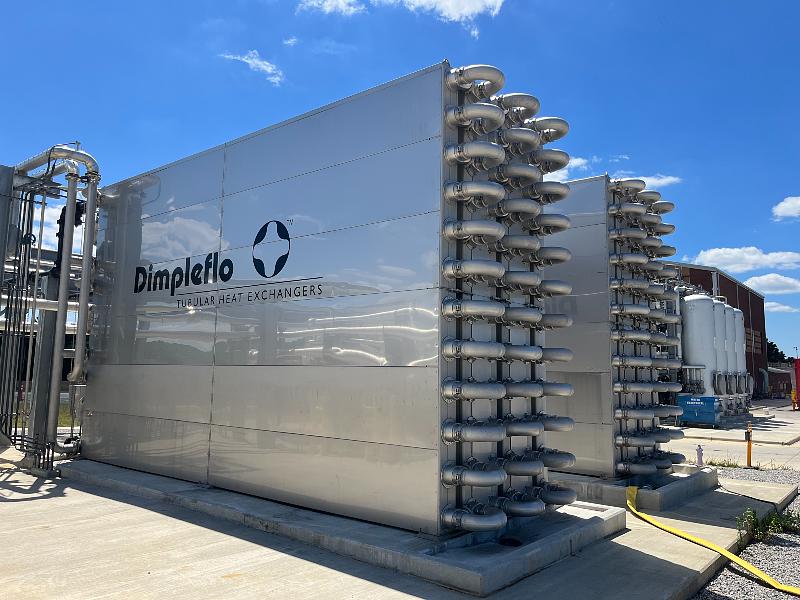
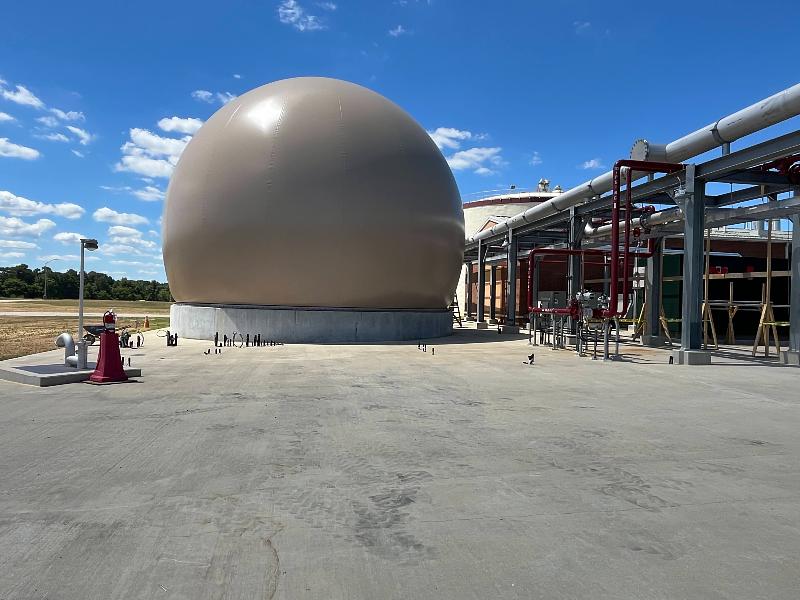
The Raleigh Water Bioenergy Recovery Project at the Neuse River Resource Recovery Facility captures methane-rich biogas produced during wastewater treatment and puts it to beneficial use for on-site energy generation. By upgrading digestion, gas handling, and safety controls, the project reduces flaring, odors, and greenhouse-gas emissions while improving reliability and resilience. The result is lower energy costs, better environmental performance, and a more circular, resource-recovery focused wastewater system.
PROJECT DESCRIPTION
The electrical scope of work for the Neuse River Resource Recovery Facility Bioenergy Recovery Project includes furnishing, installing, testing, and commissioning complete power, lighting, grounding, and equipment electrical systems required to support new bioenergy recovery processes and associated facilities. The work integrates new electrical infrastructure with existing plant systems to ensure reliable, safe, resilient, and continuous operation of critical treatment and energy recovery processes while minimizing operational risk.
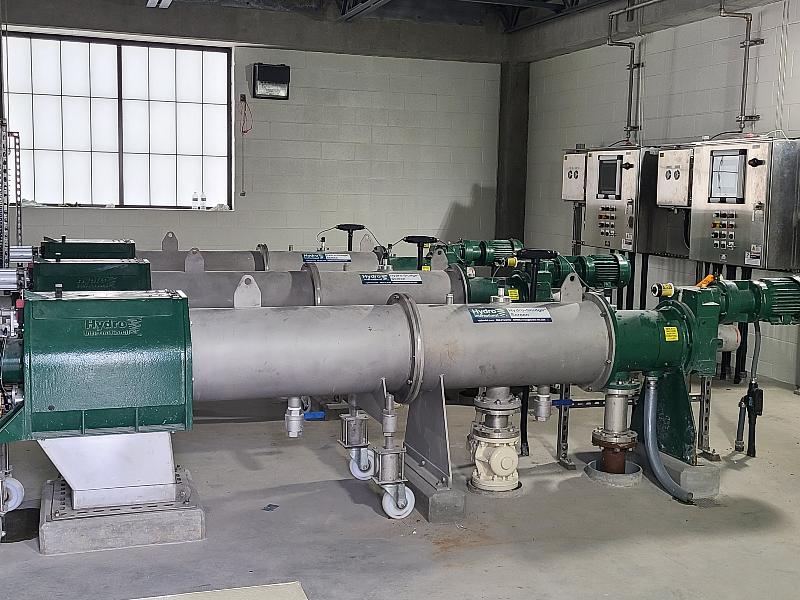
Major electrical components include medium- and low-voltage power distribution systems, unit substations, transformers, load-interrupter switchgear, switchboards, panelboards, motor control centers, variable frequency drives, and individual motor controllers. These systems provide power to pumps, mixers, compressors, digesters, renewable natural gas equipment, and other process and support equipment. The scope also includes raceways, underground ductbanks, cable tray systems, power and control wiring, grounding and bonding, surge protection, and lightning protection throughout the project area.
Interior and exterior lighting systems, including normal and emergency lighting, are provided in accordance with applicable codes and facility standards. Standby power systems and automatic transfer switches are installed where required to support critical loads. Electrical work is coordinated with instrumentation and control systems to support automated operation, monitoring, diagnostics, alarms, and future system expansion. All installations comply with NEC, NFPA, IEEE, and local utility requirements to deliver a safe, maintainable, and highly reliable electrical system.